Understanding AC Repair Costs: Factors, Average Costs, DIY vs. Professional, and Tips
Delve into the world of AC repair costs as we explore the various factors influencing pricing, typical repair expenses, DIY versus professional costs, and effective strategies to minimize repair bills. This comprehensive guide aims to provide valuable insights for homeowners looking to navigate the realm of air conditioning repairs efficiently.
Factors influencing AC repair cost

When it comes to the cost of repairing an air conditioning unit, several factors come into play. These factors can significantly impact the overall repair bill, making it essential to understand what influences the cost.
Age of the AC unit
The age of the AC unit is a crucial factor in determining repair costs. Older units may require more extensive repairs or replacement parts, which can be more expensive and harder to find. Additionally, older units may have outdated components that need specialized attention, driving up the cost of repairs.
Type of repair needed
The type of repair needed can also influence the overall cost of repairing an air conditioning unit. Repairs such as compressor replacement, refrigerant leaks, or electrical issues may require different levels of expertise, time, and parts. Complex repairs tend to be more costly due to the specialized skills and components involved.
Labor costs, complexity, and parts pricing
Labor costs, the complexity of the repair, and parts pricing are additional factors that can contribute to the total repair bill. Skilled labor is essential for effective repairs, and technicians may charge varying rates for their services. The complexity of the repair, such as diagnosing multiple issues or dealing with hard-to-reach components, can also increase the overall cost.
Additionally, the price of parts needed for the repair can vary depending on the brand, availability, and quality.
Average cost of common AC repairs

When it comes to air conditioning repairs, the costs can vary depending on the issue at hand. Here is a breakdown of the typical costs associated with common AC repairs:
Thermostat Replacement
Replacing a faulty thermostat can cost anywhere from $100 to $300 on average. This cost includes the price of the new thermostat as well as the labor involved in installation.
Capacitor Problems
Fixing capacitor issues typically range from $150 to $400. Capacitors are crucial components for the proper functioning of the AC unit, so timely repairs are essential to avoid further damage.
Clogged Filter
Clearing a clogged air filter can cost around $75 to $200. It is a relatively simple fix but crucial for maintaining the efficiency of the AC system.
Condenser Coil Repair
Repairing a damaged condenser coil can be more costly, ranging from $600 to $2000. The condenser coil plays a vital role in the cooling process, so repairs are necessary for optimal performance.
Evaporator Coil Replacement
Replacing the evaporator coil can cost between $650 to $1200. This component is essential for absorbing heat and cooling the air, making it a crucial part of the AC system.
Fan Motor Repair
Repairing a faulty fan motor can range from $200 to $600. The fan motor is responsible for circulating air throughout the system, so prompt repairs are crucial to avoid overheating.
Additional Expenses
In addition to the repair costs mentioned above, homeowners may also need to consider additional expenses such as service fees, diagnostic charges, and any necessary refrigerant refills. These extra costs can add up, so it's essential to factor them into the overall repair budget.
DIY vs. Professional Repair Costs

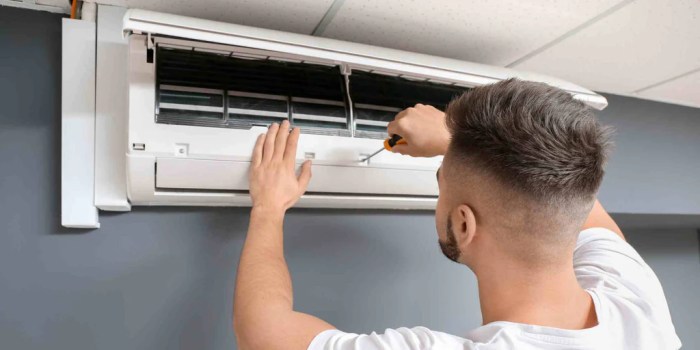
When it comes to AC repairs, deciding between attempting a DIY fix or hiring a professional technician can have significant cost implications. While a DIY repair may seem cost-effective initially, it's essential to consider the risks involved and potential for further damage that could end up costing more in the long run.
DIY AC Repairs
- DIY repairs can save money on labor costs as you won't be paying for a professional technician's time.
- However, DIY repairs require technical knowledge and skill to ensure the job is done correctly.
- Attempting repairs without the necessary expertise can lead to costly mistakes and potential damage to your AC unit.
Professional HVAC Technician Costs
- Hiring a licensed HVAC technician for AC repairs comes with a cost, but ensures the job is done correctly and efficiently.
- The average cost of hiring a professional technician for common AC repairs ranges from $100 to $500, depending on the complexity of the task.
- Factors like the type of repair needed, time of service, and technician's experience can influence the overall cost.
When to DIY and When to Hire a Professional
- If you have experience with AC repairs and feel confident in your abilities, simple tasks like cleaning or replacing air filters can be done DIY.
- For more complex issues like refrigerant leaks, compressor problems, or electrical issues, it's best to hire a professional technician to avoid costly mistakes.
- Consider the cost-effectiveness of DIY versus professional repairs based on the complexity of the task and your comfort level with handling AC systems.
Tips for reducing AC repair costs

Regular maintenance of your air conditioning system is crucial in preventing costly repairs and extending its lifespan. By following some simple tips and strategies, homeowners can minimize AC repair expenses and avoid major breakdowns.
Schedule annual professional maintenance
One of the best ways to reduce AC repair costs is to schedule annual maintenance with a professional HVAC technician. They can inspect and tune up your system, identify any potential issues early on, and ensure that it is running efficiently.
Change air filters regularly
Regularly changing the air filters in your AC system can help improve its efficiency and prevent breakdowns. Clogged filters can restrict airflow and cause the system to work harder, leading to increased repair costs.
Keep the outdoor unit clean
Make sure the outdoor unit of your AC system is free from debris, leaves, and other obstructions. Keeping it clean and clear can help prevent overheating and other issues that may require costly repairs.
Monitor thermostat settings
Setting your thermostat to a moderate temperature and avoiding drastic changes can help reduce strain on your AC system. This can help prevent premature wear and tear, ultimately lowering repair costs.
Address minor issues promptly
If you notice any minor issues with your AC system, such as strange noises or reduced airflow, address them promptly. Ignoring these problems can lead to more serious and expensive repairs down the line.
Closure
In conclusion, understanding the intricacies of AC repair costs is essential for homeowners seeking to maintain and optimize their cooling systems without breaking the bank. By following the tips Artikeld and making informed decisions, individuals can ensure their AC units remain in top condition while keeping repair expenses manageable.
Helpful Answers
What factors can influence AC repair costs?
Factors such as the age of the unit, type of repair needed, labor costs, repair complexity, and parts pricing can all impact AC repair costs.
What are the average costs of common AC repairs?
Common repairs like fixing a faulty thermostat, capacitor issues, or clogged filters can range from $150 to $600, while repairs to components like condenser coils or fan motors may cost between $300 to $1,200.
Is DIY AC repair cost-effective?
DIY repairs can save money, but they also carry risks of causing further damage. Hiring a professional HVAC technician for AC repairs can cost between $100 to $1,500, depending on the task.
How can homeowners reduce AC repair costs?
Regular maintenance, timely troubleshooting of minor issues, and finding cost-effective ways to extend the lifespan of the system can help minimize AC repair expenses in the long run.